

After building dozens of apps using both vibe coding and traditional coding, I've learned exactly when each method makes sense and where they break down in 2026.
Vibe coding vs. traditional coding: quick comparison
Vibe coding gets you to a working app fast using just AI and a prompt, while traditional coding gives you complete control to build anything exactly how you want it. Here's how they stack up:
Vibe coding vs. traditional coding: What are the key differences?
Traditional coding gives you complete control over every part of your code, while vibe coding lets you build quickly by describing your goals to AI, trading some control for speed. Let’s look more closely at the differences between them to see which is best for you:
Traditional coding
Traditional coding is where developers manually write software code in languages like Python, JavaScript, or Java.
Developers control:
- How data flows through the system
- How errors get handled
- How components interact
- How the interface responds to user actions
This makes it possible to build anything technically feasible, from search engines to banking platforms to operating systems.
The trade-off: Traditional coding takes longer and requires expertise, but produces software tailored exactly to specifications. This precision matters when software is your core product, handles sensitive data, or operates at scale.
Vibe coding
Vibe coding is where you describe software in natural language, and AI generates working applications. The term emerged in early 2025 when AI researcher Andrej Karpathy observed developers "coding by feel" rather than strict technical specifications.
You can type "build a customer portal where clients submit support tickets and track status," and you get an app that does just that.
The AI handles:
- Interface design
- Database schema generation
- User authentication
- Basic logic flows
You shift from writing syntax to directing workflows. If something doesn't work, you tell the AI, "this feels slow, make it faster," and it adjusts. The approach works well for standard business applications like forms, dashboards, and client portals because these follow recognizable patterns.
Vibe coding vs. traditional coding: how they actually work
The distinction between these approaches shows up in your daily workflow, not just theory. What the process looks like:
The vibe coding process
The AI acts as your builder while you focus on describing the outcome you want. You will find something very similar to this:
- You start describing the business process or problem
- Review what the AI built
- Test with real data or users
- Request adjustments in natural language
- Deploy when it works
The challenge comes when something doesn't quite fit. You're stuck explaining the same issue multiple ways, hoping the AI understands. Sometimes it clicks on the third try, sometimes it never does. When you hit that wall, you either accept the limitation or start over with a different approach.
The traditional coding process
You start by planning the system architecture, then write code in small pieces, test each piece, and connect everything. The workflow looks like:
- Map out data structure and user flows
- Write code for one feature at a time
- Test and debug each piece
- Integrate features
- Deploy after comprehensive testing
In this situation, the challenge is time. A simple feature that seems obvious takes hours because you're handling edge cases, error states, and performance. But when something breaks, you know exactly where to look and how to fix it. You're not guessing what the AI misunderstood.
What you actually do in each approach
In vibe coding, you're the director. You describe what you want in plain English, the AI writes it, and you review. A product manager with zero coding experience can ship a minimum viable product in a weekend.
In traditional coding, you're the architect. You design the structure, write every line, and debug with actual tools. You version it in Git, run linters, write tests, and get peer reviews. It’s slow, but deliberate. Years later, the code is still clean and testable because you built it with intention.
When each approach breaks down
Vibe coding breaks when your requirements don't match standard patterns. You'll notice the AI keeps generating solutions that almost work but miss key details. The iteration cycle that feels fast becomes frustrating because you're circling the same problem without progress.
Traditional coding breaks when timelines matter more than perfection. Spending two weeks building a simple approval workflow makes no sense if it's just routing requests between three people. The precision becomes overhead you don't need.
How to choose between vibe coding and traditional coding
Choosing between them depends on your project and how much risk you can tolerate. If speed matters most, your choice is different than if you're building banking software. Key factors to consider:
Vibe coding is better for:
- Founders who need to validate an idea by building an MVP over a weekend
- Rapid prototyping when you need to see a functional concept before committing resources
- Internal tools and low-risk automations like data scripts or admin apps
- Creative projects where the visual feel matters more than backend optimization
Traditional coding is better for:
- Mission-critical systems like banking apps, medical software, or high-traffic platforms, where bugs cost millions
- Performance optimization for software requiring minimal memory or microsecond latencies
- Long-term projects where the codebase needs to stay readable for years and scale across teams
- Regulated industries requiring line-by-line code audits where AI errors create legal risk
Which approach works best?
If you’re building a small personal utility or testing an idea, AI-powered vibe coding tools can get you to a working app fast. But if you’re building software that needs to scale, handle sensitive data, or be maintained by a team over time, traditional coding still offers more control and predictability.
However, some AI platforms can build production-ready apps using natural language prompts.
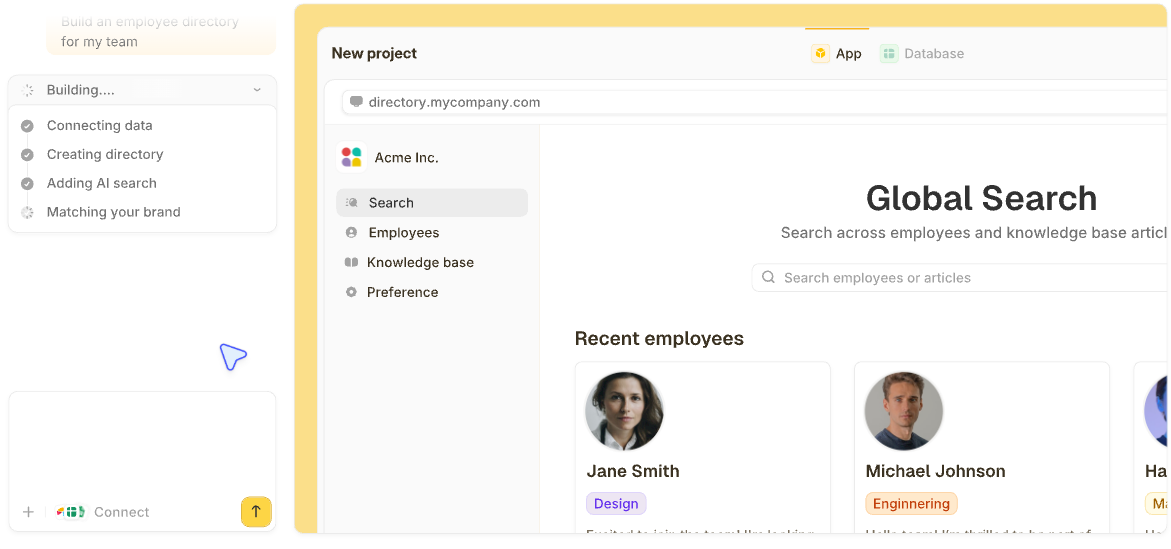
For example, Zite lets you describe what you need in plain English and generates a working application. From there, you can refine logic and workflows through a visual interface, without touching code or being stuck endlessly re-prompting AI to make changes. This works for business operations teams who need production-quality applications without hiring developers.
The next generation of vibe coding
The real tension in vibe coding isn't just speed vs control. It's speed vs understanding. Zite represents a new generation of builders that use the rapid, natural language approach of modern vibe coding tools. However, Zite adds visibility and control so you're not left guessing what the app actually does.
Zite lets you generate internal tools and workflows with AI, then edit them directly, inspect the logic, and verify the behavior. Not just re-prompt and hope for the best.
Here's how Zite changes the vibe coding experience:
- AI-driven app generation: Describe your application or workflow in plain language, and Zite generates a working app automatically. It often adds components you might have forgotten to ask for, so you go from idea to functional interface fast.
- Visual editing you can trust: Adjust the UI directly, like in Webflow. See the layout, tweak components, and watch changes live. The app feels like something you're shaping, not something the AI is guessing at.
- App logic you can trace and troubleshoot: The workings of your app are presented in a flowchart that non-technical users can read and follow. You see how data moves, who triggers which actions, and where decisions happen. When something breaks, you can easily find and fix it.
- A database you can actually use: The database is visible. Inspect the structure, preview records, and verify the app is storing what it should. No guessing what the app is storing or why.
- Production-ready out of the box: Built-in authentication, secure hosting, and access controls mean the apps you build can be safely used by real teams. Enterprise features like SSO and SOC 2 Type II support are available when needed.
- Unlimited users on every plan: No per-user or per-app charges. Every plan, including the free tier, supports unlimited users and unlimited applications.
Get started with Zite
If you haven't already, sign up for Zite and start building your application today. Most features are available on the free tier, so you can experiment and prototype without any commitment.
Frequently asked questions
Can vibe coding replace traditional coding?
For many business applications, internal tools, and workflows, modern vibe coding platforms like Zite get you most of the way there. Traditional coding still wins for complex architecture, regulated industries, and systems that require line-by-line control. The two work better together than in competition.
Do I need to know how to code to use vibe coding?
You do not need to know how to code to use vibe coding, though understanding basic coding concepts helps you spot when the AI generates something wrong or insecure. Describing your requirements clearly is enough to generate working applications.
What tools are best for vibe coding?
The best tools for vibe coding are AI-powered platforms like Replit Agent, Cursor, Lovable, and Bolt. For production applications where you need to see and edit what was built, Zite adds visual editing, flowchart-based workflows, and a visible database on top of AI generation.
Is vibe coding safe for production applications?
It depends on the platform. Most vibe coding tools generate code you can't easily inspect or verify, which creates real risk in production. But platforms like Zite are built differently. You can see the logic, trace the workflows, and verify the data. That changes the equation.
Can I combine vibe coding and traditional coding?
Yes, you can combine both to maximize speed and reliability. Use vibe coding to prototype quickly and generate boilerplate, then switch to traditional coding for complex logic, performance optimization, and security-critical features.