
Thirty Municipalities Walked In. Working Software Walked Out.
Inside the Capital Region AI Summit, where county leaders and law enforcement built real government apps on Zite in a single day.
“I was surprised how, you know, an older guy like me — I put in what the problem was, what I wanted to create, and it thought, and it gave me a plan on what to do and how to do it.”
A summit where nobody sits through slide decks
He told the news crew he almost didn't come. No tech background. Hesitant about the whole thing — the kind of skepticism you'd expect from someone who's watched technology promises come and go. By lunch, he'd built a working application.
That was the point of the Capital Region Municipalities & Law Enforcement AI Hands-On Summit, hosted on June 18, 2026 by the Montgomery County Sheriff's Office and MetroIQ, a Zite partner that helps local governments modernize. County executives, sheriffs, CIOs, HR leaders, and department heads from 30 municipalities across New York and Massachusetts came to a sheriff's office in Fultonville, New York for a working session — not a conference.
There were no vendor booths and no tote bags. Attendees watched peers demo software already running inside New York governments, then built their own on Zite. Even the summit itself ran on Zite — check-in, lunch ordering, and attendee provisioning.
The problem nobody at a conference will solve for you
Local government is stuck in a brutal choice.
On one side: expensive legacy software that takes years to procure, costs hundreds of thousands of dollars, and rarely fits the way a county actually works. On the other: doing nothing, falling further behind, and asking overworked staff to absorb the gap.
The conference circuit doesn't fix this. Law enforcement goes to one event, IT to another, HR to a third. Everyone sits through slide decks and vendor pitches and returns to the same problems. Nobody hands government people the tools and says: build it yourself, today, for a fraction of the cost.
“When you buy software from a traditional vendor, you're fitting your problems into their software. When you do it this way, you're fitting the software around your problems.”
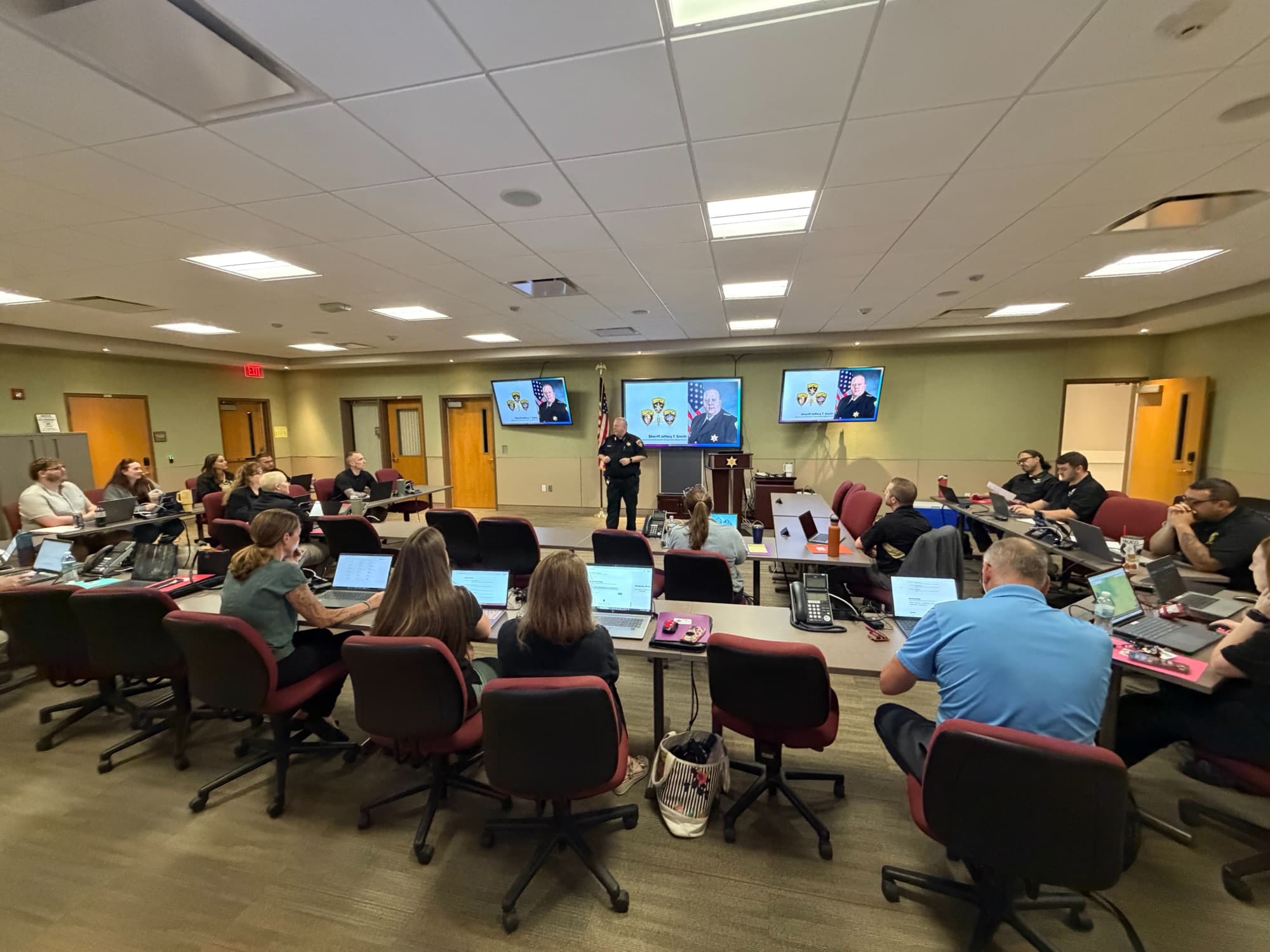
One room, one day, thirty municipalities
The day didn't open with a keynote about the future. It opened with Montgomery County Sheriff Jeffery Smith and County Executive Pete Vroman — local leaders vouching for the work in front of their peers.
Then came the part that cracked the room open: a run through ~40 real municipal applications, each already operating inside a New York government. At the Montgomery County Sheriff's Office alone, staff had built tools for contracts, fleet management, ambulance supplies, and Freedom of Information Law requests — each one firing automatic alerts ahead of deadlines and expiration dates. Not mockups. Live software, built by people exactly like the ones in the audience.
Then everyone was turned loose on Zite. All it takes is a prompt.
“We continue to do more and more and more, and we thought it was a great idea to get the other community partners that are also doing the same things together, so we can feed off of one another, learn from one another, and just keep making improvements.”
From a paper shift schedule to a working app before lunch
Take Brittney Dobbs, Technical Communications Manager for the county's 911 Dispatch Center. Scheduling there has meant a paper sheet passed around by seniority once a year, hand-built into a yearly schedule, with every time-off request, overtime slot, and mandated shift generating still more paperwork.
Dobbs has no background in web design. By the summit she was building an app to move the whole thing online — supervisors and staff checking shifts and coverage from a single place.
By 11:30, nobody was looking up. The news crews arrived to find a room full of officials heads-down, building.
“This is going to save me hours of work, hours of work, and paper. An unbelievable amount of paper.”
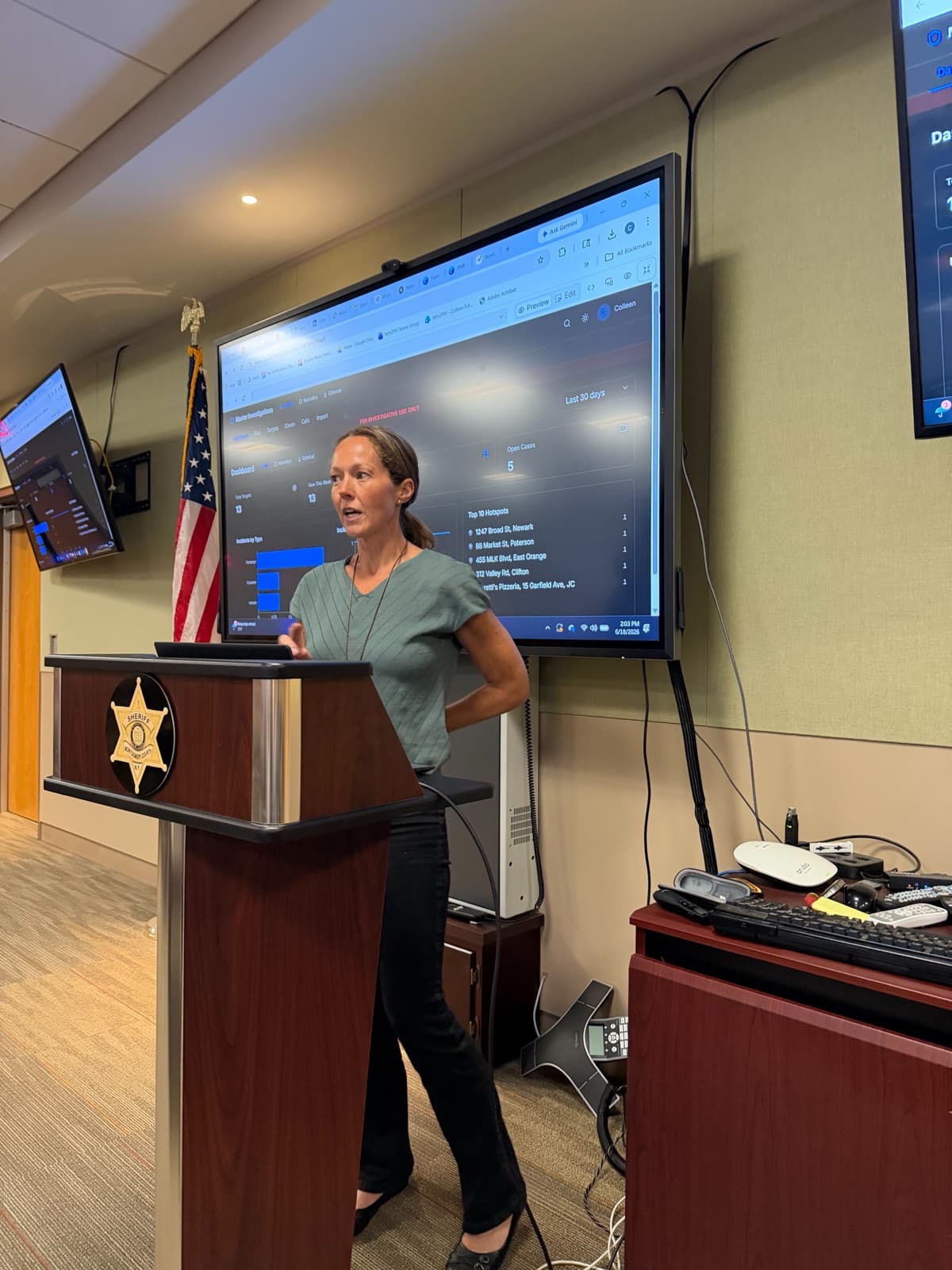
By 2:45, the skeptics were presenting
The breakthrough came in the afternoon, when attendees stood to demo what they had made in a single day. The City of Albany built a search engine to surface local jobs, housing, and events for residents. County Executive Vroman built an app to manage contracts — and walked out planning to bring his department heads and county attorney into the next round.
People who'd arrived skeptics were now presenting. That's the kind of energy you can't manufacture in a slide deck.
“After 25+ years in tech, there is very little in the tech world that excites me. But your presentation just did it for me. The ability to tie all of those tools together and empower folks to create is AMAZING.”
Built responsibly, by design
The fastest way to kill a government AI program is to skip the guardrails. The Montgomery County Sheriff's Office didn't.
- The office wrote AI-use policies before building anything — years ago
- Every tool complies with New York State law requiring human oversight
- No data is shared with AI providers to train their systems
- New apps are tested before they go live, then run alongside the existing process until everyone's confident nothing breaks. Only then is the old way retired.
“It's best to start small,” Dancy said — useful tools first, trust built as staff learn the systems. The result is modernization that moves fast without asking anyone to gamble with public data or public trust.
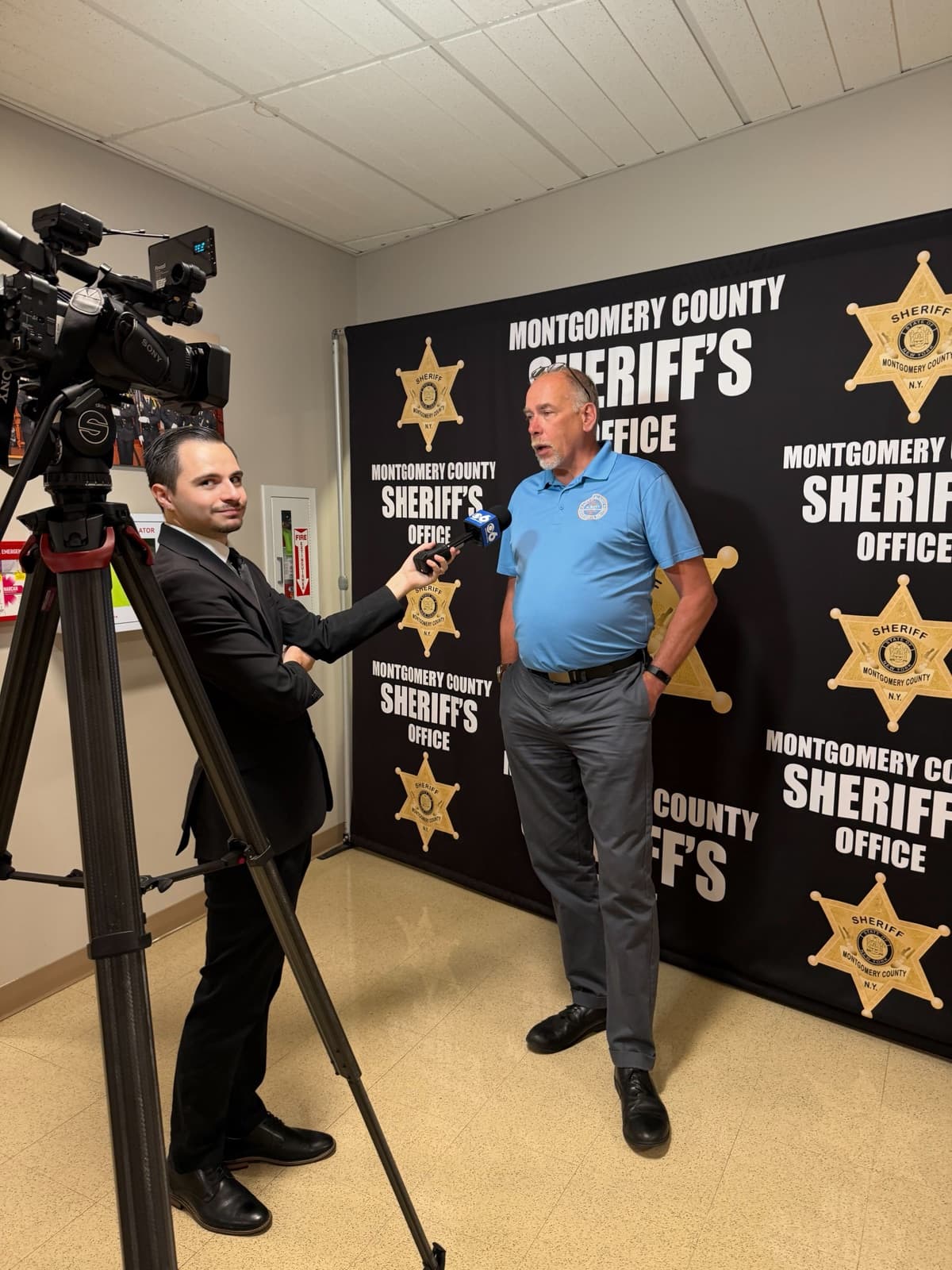
The proof was already on the news
You don't have to take anyone's word for it. By the end of the day, three television stations had covered the event, and the local paper of record, The Recorder, ran a full story on the summit and the tools attendees built.
And the model wasn't theoretical to begin with. MetroIQ had already helped the City of Johnstown save nearly $500,000 through technology modernization, and Montgomery County Public Health cut costs by nearly $200,000 with custom systems built on Zite and Fillout. Every municipality featured on the summit's demo deck has already been in the news for what they built and the money it saved.
The credibility isn't a vendor claim. It's public record.
The summit wasn’t the product. The model is.
Put municipal peers in a room. Give them a platform that turns a sentence into software. Show them what people just like them have already built. Then get out of the way. What comes out the other side isn't a list of action items — it's working applications, energized leaders, and a region that just discovered it can modernize itself without waiting on a budget cycle or a vendor.
This worked in Fultonville with 30 municipalities, most of whom had never heard of any of it that morning. There's no reason it can't work in every region of the country: a host municipality and a public-safety partner provide the room and the local credibility; MetroIQ brings the platform, the playbook, and the proof. Local leaders bring their problems — and leave with solutions.
Government doesn't need to be told the future is coming. It needs to be handed the keys and shown it can drive.
“There's nothing stopping Montgomery County from being an AI hub.”
Zite for local government
See how counties, cities, and sheriff's offices build their own software on Zite, and how to bring a build day to your region.
Talk to our team